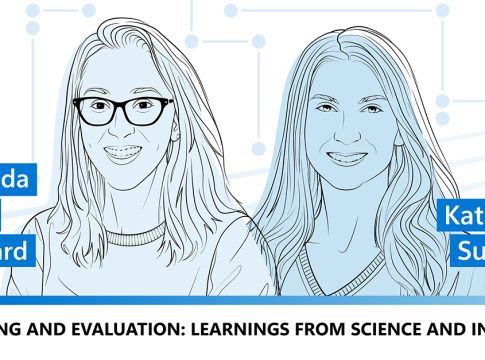


Navigating the Future of AI: Insights from Amanda Craig Deckard at Microsoft
In a rapidly evolving landscape of artificial intelligence, ensuring responsible development and deployment is more crucial than ever. Amanda Craig Deckard, Senior Director of Public Policy in Microsoft’s Office of Responsible AI, sheds light on how the tech giant is reconceptualizing AI governance by learning from other industries.
Amanda’s Journey into Tech
Deckard’s career path was anything but straightforward. Initially aspiring to be a journalist, she found herself immersed in various fields, from forced migration studies to legal services in Indiana and India. This diverse background ultimately led her to Microsoft in 2014, where she initially focused on cybersecurity policy before shifting to the realm of responsible AI.
“At Microsoft, the Office of Responsible AI blends varied expertise to develop both policy and its practical applications,” Deckard explains. This involves close collaboration with engineers, researchers, and industry experts to operationalize ethical frameworks around AI.
The Importance of Testing
With the AI landscape transforming rapidly—especially after the rise of tools like ChatGPT—testing has emerged as a key concern for policymakers. Drawing parallels from other sectors such as biotechnology and finance, Deckard emphasized how governance models from these industries can inform AI testing protocols.
“In early 2023, our workshops prompted discussions about governance in AI,” she notes. “We recognized that existing frameworks in cybersecurity and pharmaceuticals could offer insights, but also highlighted the unique challenges presented by AI technology.”
Learning from Other Industries
The recent shift towards examining diverse fields for governance models reflects Microsoft’s proactive approach. Deckard’s team evaluated eight different industries, including genome editing and nanoscience, to extract valuable lessons for AI.
A common theme emerged: while no single domain perfectly mirrors AI, each offers crucial insights into risk management, governance, and the balance between industry and regulatory roles.
Horizontal vs. Vertical Challenges
One significant takeaway is the distinction between "horizontal" technologies (like AI and genome editing) that require contextual risk assessment and "vertical" industries (like civil aviation) which tend to have more straightforward governance structures. This complexity reflects the multifaceted nature of AI, which impacts various aspects of society.
Collaboration Across Sectors
As the conversation around responsible AI progresses, Deckard emphasizes the need for collaborative frameworks. "Bringing together industry stakeholders, academia, and regulators is essential," she argues. This collaborative spirit is already evident in Microsoft’s partnerships within forums such as the Frontier Model Forum and Partnership on AI.
Moving Forward
Looking ahead, Deckard identifies three pressing issues that need addressing:
-
Flexible Frameworks: Developing adaptable governance structures that foster innovation and encourage trust in AI systems.
-
Public-Private Partnerships: Establishing collaborative forums that leverage diverse expertise to tackle complex challenges.
- Understanding Governance Dynamics: Navigating the intricacies of which entities—be it industry, governments, or third-party experts—should lead in evaluating risks and establishing standards.
Conclusion
As AI continues to permeate every facet of life, the conversation around its responsible use must adapt accordingly. With leaders like Amanda Craig Deckard at the helm, Microsoft is not just participating in the dialogue but actively shaping the framework of AI governance that could have far-reaching implications for industries and society alike. The lessons being learned now will undoubtedly pave the way for a more ethical and informed approach to AI development in the future.
By placing a spotlight on collaboration and learning from various sectors, Microsoft illustrates a forward-thinking strategy for a landscape fraught with challenges yet rich with potential.

Writes about personal finance, side hustles, gadgets, and tech innovation.
Bio: Priya specializes in making complex financial and tech topics easy to digest, with experience in fintech and consumer reviews.