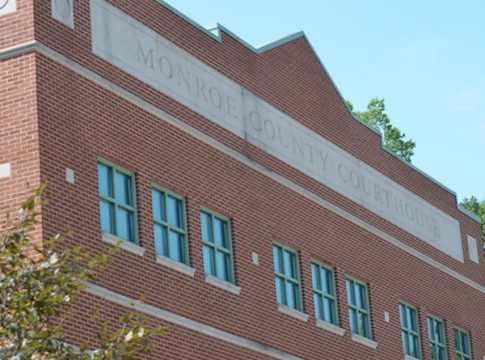


Fostering Mental Health Awareness and Support in Monroe County
In a recent Monroe County Board meeting, discussions centered on enhancing mental health resources and outreach in the community. Presenters Dr. Sean Lattimore and Bill Rebholz, members of the Monroe County 708 Mental Health Funding Board, shared compelling insights into the state of mental health services in the area and the importance of strategic planning moving forward.
Understanding the Current Landscape
Dr. Lattimore candidly acknowledged that the 708 Board’s previous approach had been somewhat passive. However, recent explorations into the board’s bylaws revealed a requirement for a strategic plan, which spurred a shift toward a more active role in promoting mental health initiatives.
Established under the Community Mental Health Act of 1963, the mental health boards in Illinois aim to facilitate access to essential services. Currently, significant funding from the board supports organizations like Human Support Services in Waterloo and the Violence Prevention Center of Southwestern Illinois. Yet, Rebholz emphasized a disconcerting reality: the demand for mental health services in Monroe County exceeds current availability.
The Needs of Our Youth
A sobering statistic noted during the meeting was that over 70 local individuals under 17 are classified as homeless. This reflects broader societal challenges, hinting at the intricate relationship between mental health and family dynamics. Rebholz pointed out that a youth’s homelessness often signals underlying mental health issues, whether pertaining to the child or their guardians.
Building a Foundation of Resources
In a serendipitous alignment, the strategic goals of the 708 Board echo the recent release of a Monroe County Resource Guide. This guide, produced through Human Support Services, lists invaluable resources for various needs, from gambling addiction to support for veterans. The board intends to expand its outreach by developing a dedicated website, making these resources more accessible to the community.
Collaboration is Key
One significant takeaway from the session was the importance of community collaboration in enhancing mental health services. Human Support Services serves as a central hub for connecting various organizations, including local coalitions and law enforcement, to address specific mental health concerns.
Rebholz highlighted the grassroots efforts led by volunteers as crucial in fostering community involvement in mental health awareness. He remarked, “So much is grassroots,” signaling the power of collective community engagement in addressing these pressing needs.
Embracing Engagement and Empowerment
Dr. Lattimore and Rebholz’s aspirations extend beyond simply addressing immediate issues; they envision a more organized approach to encourage community members to participate actively in mental health initiatives. Their goal is to create an atmosphere where individuals feel empowered to contribute to the shared well-being of their neighbors.
Moving Forward
As we reflect on these discussions, it becomes vital to recognize the interconnectedness of our mental health landscape. Ensuring that every individual has access to support services is not just a responsibility of organizations; it requires collective community effort and awareness.
For anyone looking to get involved or seek help, local resource guides are available at Human Support Services in Waterloo. As we move forward, it’s crucial for each of us to remain informed and engaged in nurturing mental health awareness and support in our communities.
By building a more connected and supportive framework, we can work towards a brighter, more inclusive future for all.

Covers wellness, nutrition, mental health, and daily life tips.
Bio: Talia brings a background in health journalism and holistic living to help readers live better, one tip at a time.