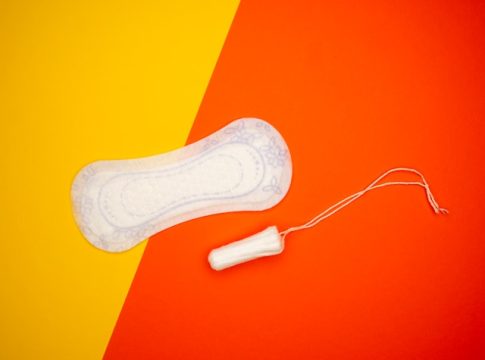


Understanding the Emotional Impact of the Menstrual Cycle
The menstrual cycle is a natural part of life for many, yet its psychological effects often go unnoticed. While we readily discuss physical symptoms like bloating or cramps, the emotional challenges—such as mood swings, anxiety, or feelings of overwhelm—are frequently overlooked. Understanding these emotional shifts is crucial, as they can significantly impact our well-being, relationships, and daily life.
The Reality of Premenstrual Symptoms
Research shows that as many as 90% of women experience some form of premenstrual symptoms, with approximately half of those meeting the criteria for premenstrual syndrome (PMS). For about 3-8%, these symptoms are more severe, leading to premenstrual dysphoric disorder (PMDD), a serious condition associated with substantial mental health risks, including suicidal thoughts. It’s important to recognize that these emotions are not merely a reflection of hormonal changes; they represent real challenges that deserve attention and care.
Battling Stigma and Seeking Support
Despite the prevalence of menstrual-related mental health issues, societal stigma often prevents open discussions and seeking help. Many women feel pressured to "power through" their symptoms, while healthcare systems may not always provide the compassion and understanding they need. This leaves many relying on informal support, such as online forums or social media, for help, a trend highlighted by recent research.
Findings from Recent Research
A study conducted in the UK found that 97% of participants reported that premenstrual symptoms affected their daily lives. The most commonly reported symptoms included fatigue and irritability, with those diagnosed with PMDD experiencing the most severe challenges, including marked difficulties in romantic and intimate relationships.
- Help-Seeking Behavior: Interestingly, the findings showed that many women turn to online resources for support. While this can be helpful, nearly half of the participants who sought help from healthcare providers felt dismissed or inadequately supported. This highlights the urgent need for healthcare professionals to be better equipped to handle menstrual mental health discussions.
Embracing Solutions
What can be done? It’s fundamental to advocate for better awareness and training among health professionals. Recognizing conditions like PMDD accurately is critical for providing effective treatment. In addition, utilizing digital tools such as symptom tracking apps or telehealth platforms can bridge some gaps in support. However, it’s essential that these resources complement, rather than replace, traditional healthcare.
Looking Ahead
The journey towards better mental health care for those impacted by menstrual cycles requires a multifaceted approach. Focused efforts should include:
- Improving Healthcare Training: Equip providers with the knowledge to sensitively handle menstrual-related issues.
- Creating Accessible Resources: Develop trustworthy online content that supports education and understanding.
- Encouraging Inclusivity: Future research should strive for diversity to better understand and serve varied populations.
Final Thoughts
Experiencing mental health challenges related to your menstrual cycle can feel isolating, but remember—you’re not alone. It’s imperative to foster open discussions about these issues and seek the support you need. Each voice matters, and together we can advocate for a healthcare system that truly understands and addresses menstrual mental health. Embracing these changes ensures everyone feels seen, valued, and empowered.
Through understanding, compassion, and the right resources, we can transform this journey into one of healing and growth.

Covers wellness, nutrition, mental health, and daily life tips.
Bio: Talia brings a background in health journalism and holistic living to help readers live better, one tip at a time.