

The Surprising Connection Between Diets and Depression: What You Need to Know
In the ever-evolving world of dietary trends, the pursuit of happiness has taken on a whole new flavor—especially as it relates to our mental well-being. If you’ve ever thought about how your eating habits can tango with your mood, buckle up! A recent study has stirred up some serious conversation about caloric restriction and its surprising link to increased depressive symptoms.
Caloric Cuts: The Bitter Truth
Imagine slashing calories in hopes of feeling lighter and brighter—only to find yourself feeling heavier with gloom. Surprisingly, this is what researchers are discovering. While you might have heard the whispers that low-calorie diets can rev up your spirits, this new revelation says otherwise. Real-life calorie-cutting often leads to a menu of nutritional deficiencies, leaving your body and mind feeling famished.
- Clashing Findings: Unlike refined studies that offer balanced meals, real-world dieting often pushes proteins and essential nutrients to the sidelines, leading to something that feels more like a food fight in your brain.
Other Dietary Patterns: Plateaus and Pitfalls
What about other trendy diets like low-carb or low-fat? Well, our findings suggest they might not have much impact on mood either. In fact, the association with depressive symptoms remains as muddied as an unwashed plate. While some studies have shown a positive spin on diets that avoid certain nutrients, our research paints a more complex picture.
- The Great Nutritional Debate: Those who bravely embrace restrictive eating may find themselves tangled in cognitive lows, questioning everything from their energy levels to their ability to concentrate.
A Men’s Affair: Nutritious Expectations
Hold onto your forks—gender matters here! Among overweight men, nutrient-restrictive diets correlated with a rise in somatic symptoms (think low energy, poor sleep) and cognitive distress. It seems the reliance on nutrient-laden meals is paramount for men, as their unique cravings often clash with diet restrictions.
- Sex Differences: With men needing more essential nutrients, restrictive diets can lead to cravings for those luscious, higher-fat meals, creating a frustrating tug-of-war for their tastebuds and mental health.
The Real World vs. Controlled Trials
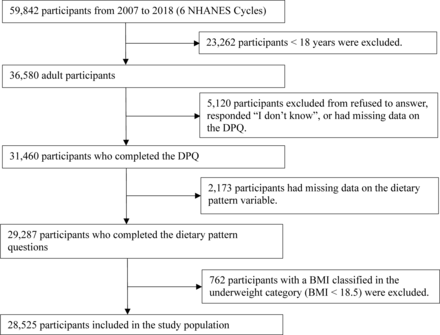
What makes this study particularly savory is its approach. It captures real-life eating patterns rather than the pristine plates of controlled trials. So, while dieticians dream of perfectly balanced meals, most of us are caught up in everyday choices that can skew our mental health.
- Peeling Back the Layers: By using a nationally representative cohort, the study dives into the heart of real eating habits—showing that psychological and behavioral factors greatly influence how we feel about what we eat.
Takeaway: Rethink Your Plate
Before you toss away those kale chips, consider this: Your relationship with food is a delicate balance. As you navigate the landscape of diets, keep your mental health on your menu.
For Your Next Meal:
-
Opt for Balance: Instead of going extreme on calories, try a well-rounded plate filled with colorful veggies, lean proteins, and healthy fats.
-
Listen to Your Cravings: Honoring what your body truly desires can elevate your mood and nourish both body and mind.
- Connect and Reflect: Don’t just eat to fill the void; enjoy your meals mindfully. Savoring that warm bowl of butternut squash soup or a zesty lemon tahini drizzle over your quinoa can brighten your day!
In the world of food and mood, it turns out, how you eat can affect how you feel. So, spice it up, nourish that body, and let’s dig into life more joyfully! 🍽️✨

Covers wellness, nutrition, mental health, and daily life tips.
Bio: Talia brings a background in health journalism and holistic living to help readers live better, one tip at a time.